In the world of digital marketing, Facebook advertising has become a cornerstone for reaching targeted…
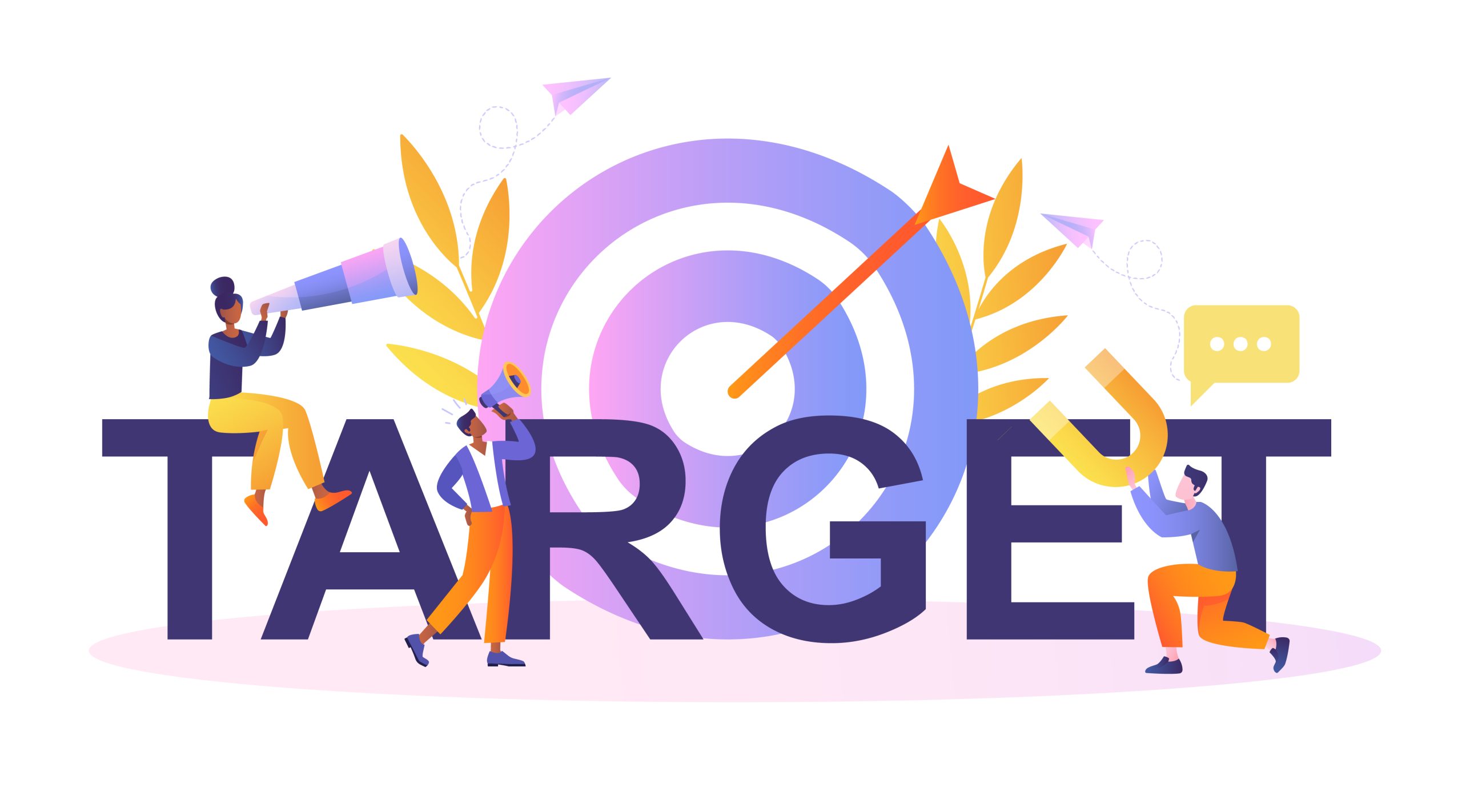
What Is a Target Market? Your Guide to Reaching the Right Customers
In today’s competitive business landscape, knowing your target market is the key to unlocking growth, driving sales, and building a loyal customer base. But what exactly is a target market, and how can understanding it help your business succeed? Defining your target market allows you to focus your marketing efforts on the specific group of people most likely to buy your products or services, ensuring you allocate resources efficiently and maximise your return on investment (ROI).
In this article, we’ll explore the concept of a target market, answer frequently asked questions, and provide actionable strategies to help you identify and reach your ideal customers. Whether you’re launching a new product or refining your marketing strategy, understanding your target market is crucial to long-term success.
Frequently Asked Questions About What Is a Target Market
Q1: What is a target market?
A target market is a specific group of consumers that a business aims its products or services at. These consumers share common characteristics, such as demographics, interests, needs, or buying behaviour. Defining your target market helps you focus on reaching the people most likely to be interested in your offerings, allowing for more efficient and effective marketing.
Q2: How do you identify a target market?
Identifying your target market requires research and analysis. Start by gathering data on your current customers, such as age, gender, income, location, and purchasing habits. Use tools like Google Analytics, social media insights, and customer surveys to understand their preferences. Additionally, consider your product’s unique selling points (USPs) and the type of people who will benefit most from what you offer. By analysing this information, you can create detailed customer profiles, known as buyer personas.
Q3: Can a business have more than one target market?
Yes, many businesses have multiple target markets. For example, a clothing brand might target both teenagers interested in trendy fashion and parents looking for durable, affordable clothing for their children. Each of these groups has different needs, and businesses often develop tailored marketing strategies to appeal to each audience segment.
Q4: Why is understanding your target market important?
Understanding your target market is essential because it allows you to craft marketing messages that resonate with your audience. By focusing on the specific needs, challenges, and desires of your target market, you can create more personalised content, products, and services that align with what they are looking for. This increases your chances of attracting and retaining customers. According to HubSpot, personalised marketing can increase conversion rates by up to 202%.
Q5: How does a target market differ from a target audience?
While the terms are often used interchangeably, there is a subtle difference. A target market refers to the broader group of consumers who may buy your products or services. A target audience, on the other hand, is a more specific segment of your target market that your marketing campaigns or ads are directed toward. Essentially, your target audience is a subset of your target market.
Key Elements of a Target Market
- Demographics
Demographic factors include age, gender, income, education level, and occupation. These characteristics help businesses understand who their customers are. For instance, a luxury car manufacturer may target high-income individuals between the ages of 35 and 60, while a toy company may focus on parents of young children. - Geographics
Where your customers are located plays a significant role in defining your target market. Geographics can include country, region, city, or even neighbourhood. Understanding where your customers live helps you tailor your marketing to meet their specific cultural, climate, or regional needs. For example, a swimwear brand may target coastal regions more heavily than landlocked areas. - Psychographics
Psychographics dive deeper into the personality, lifestyle, interests, and values of your target market. These insights help businesses create more emotional connections with their customers. A fitness brand may target individuals who value health and wellness, while a tech company might appeal to early adopters who love innovation. - Behavioural Factors
Behavioural segmentation focuses on how consumers interact with your product or service. Are they first-time buyers, repeat customers, or brand loyalists? Do they look for deals and discounts, or are they willing to pay more for premium quality? Understanding their buying behaviour allows you to tailor your messaging accordingly.
How to Define and Reach Your Target Market
- Conduct Market Research
Market research is the foundation of identifying your target market. Start by analysing your current customer base to see who is already buying your products or services. Use surveys, focus groups, and social media polls to gather feedback on what your customers want and need. Additionally, study your competitors to understand which markets they are targeting and where there may be gaps you can fill. - Create Buyer Personas
Once you have gathered data on your customers, create detailed buyer personas to represent your ideal customers. A buyer persona is a fictional representation of your target market, complete with demographics, pain points, buying behaviour, and motivations. For example, a small business software company might create a persona for “Sam,” a 35-year-old business owner who needs affordable software solutions to streamline operations. - Tailor Your Marketing Strategy
Your marketing strategy should be built around your target market. Tailor your messaging, content, and promotions to address their specific needs and desires. For instance, if your target market consists of environmentally conscious consumers, focus on the sustainability of your products and your brand’s eco-friendly practices. The more relevant your marketing is to your target market, the more likely they are to engage with your brand. - Leverage Social Media Targeting
Social media platforms like Facebook, Instagram, and LinkedIn offer powerful tools for targeting specific demographics and interests. Use these platforms to reach your target market with ads tailored to their preferences. For example, Facebook Ads allows you to target users based on their location, age, gender, and even hobbies, making it easier to connect with your ideal customers. - Test and Optimise
Marketing to your target market is an ongoing process that requires constant testing and optimisation. Use A/B testing to experiment with different messages, images, and offers to see what resonates best with your audience. Track your campaign performance and adjust your strategy based on the results. This continuous optimisation will help you stay connected to your target market and drive better results over time.
Conclusion
Defining and understanding your target market is crucial for any business that wants to succeed in today’s competitive landscape. By focusing on the specific needs, behaviours, and preferences of your ideal customers, you can create more effective marketing strategies that lead to higher engagement, stronger brand loyalty, and increased revenue. Whether you’re just starting out or looking to refine your current approach, taking the time to define your target market will set you on the path to long-term success.
Find Out How We Can Help…
Enquiry Form
Related Posts