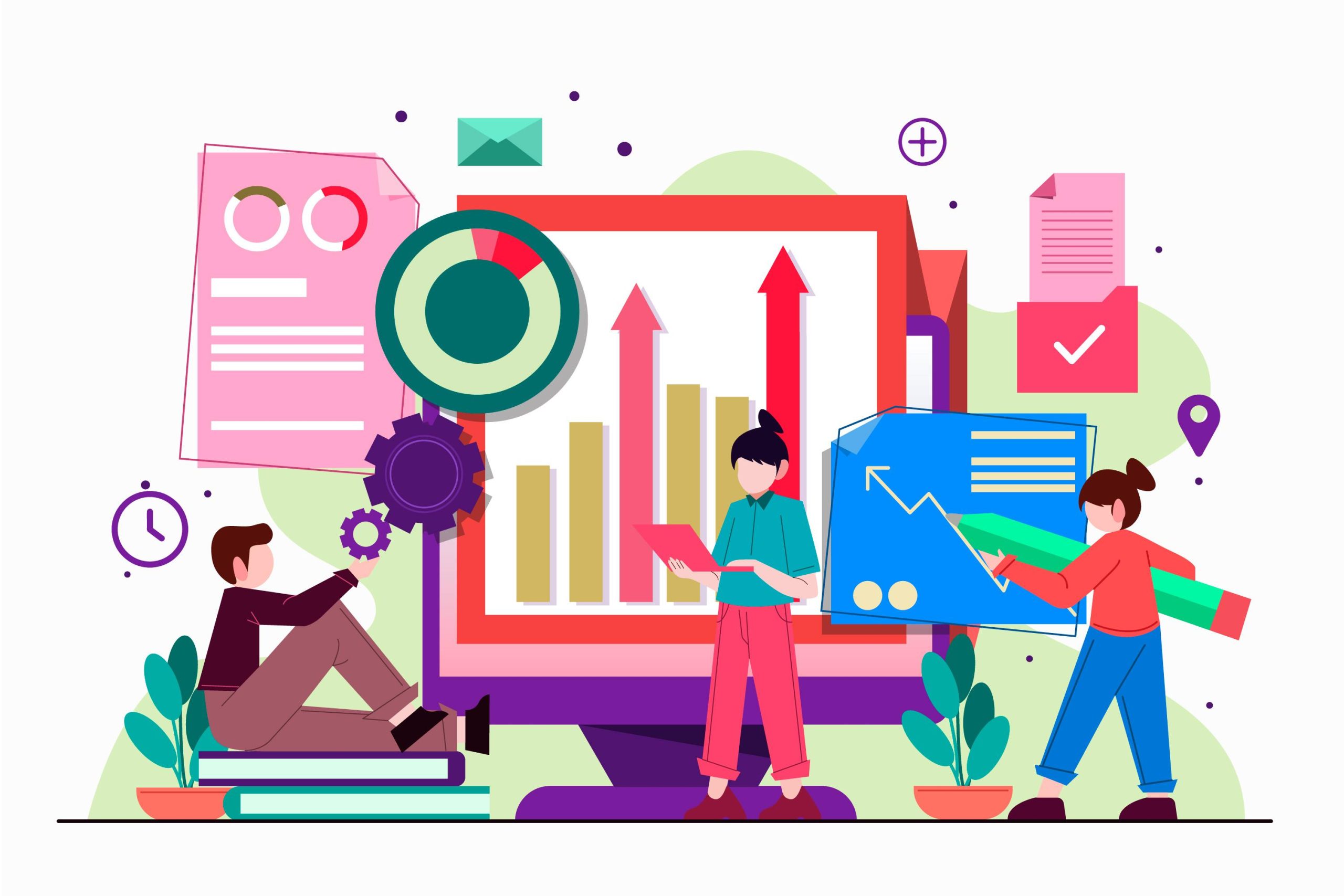
In today’s digital marketing landscape, social media audience targeting is one of the most powerful…
Facebook Audience Analysis: How to Understand and Engage Your Audience for Better Results
Understanding your audience is the cornerstone of any successful marketing campaign, and when it comes to Facebook marketing, audience analysis is essential. With over 2.8 billion monthly active users, Facebook provides an unparalleled platform for businesses to reach their target customers. However, to leverage Facebook’s full potential, you need to dig deeper into who your audience is, how they behave, and what they respond to.
In this article, we’ll explore Facebook Audience Analysis, answering key questions about why it matters, how to conduct it, and how you can use it to drive engagement, conversions, and overall business success.
Introduction
In today’s digital marketing landscape, data is everything. While Facebook allows businesses to connect with users worldwide, the key to unlocking its true potential lies in audience analysis. Facebook Audience Analysis is the process of gathering and interpreting data about your followers or potential customers, allowing you to tailor your content, ads, and marketing strategies for maximum impact.
Whether you’re running a small business or managing a global brand, understanding who your audience is and how to target them effectively is critical for boosting engagement, improving ROI, and fostering brand loyalty. Let’s dive into the frequently asked questions surrounding Facebook Audience Analysis and how to make it work for your business.
Why Is Facebook Audience Analysis Important?
1. Improved Targeting for Ads and Content
One of the biggest advantages of Facebook is its highly granular audience targeting options. Through Facebook Audience Insights, businesses can explore detailed information about their audience, such as demographics, interests, behaviours, and purchasing habits. This data enables you to create laser-focused ad campaigns and tailored content that resonates with the right people.
For example, if your audience data shows that a significant portion of your followers are aged 25–34 and are interested in fitness, you can create ads or content that appeals directly to this demographic. The result? Higher engagement and a better return on investment (ROI).
2. Understanding Customer Behaviour
Knowing what your audience likes, shares, comments on, and engages with can help you shape your marketing strategy. Facebook Audience Analysis gives you insights into customer behaviour patterns, allowing you to understand what motivates your audience to interact with your brand.
With this knowledge, you can refine your marketing approach, ensuring that your messages speak directly to their needs and desires. For instance, if your audience is more likely to engage with video content rather than text-based posts, you can pivot your strategy to include more video marketing.
3. Boosting Engagement and Conversions
Once you understand your audience’s preferences, you can optimise your content and ads to drive more meaningful interactions. Facebook Audience Analysis provides insights into the types of posts that get the most likes, shares, and comments. You can use this information to replicate successful posts and refine those that didn’t perform as well.
Engaged audiences are more likely to become customers. By consistently delivering content that resonates with your target group, you’re more likely to build trust and convert casual browsers into loyal buyers.
Frequently Asked Questions About Facebook Audience Analysis
1. What Tools Can I Use for Facebook Audience Analysis?
Facebook Audience Insights is the primary tool for audience analysis on Facebook. It allows you to gather data on your followers or a specific target audience, including age, gender, location, interests, and more. Additionally, you can use Facebook Ads Manager for detailed breakdowns of ad performance and audience engagement.
Other third-party tools, such as Hootsuite and Sprout Social, can provide supplementary audience data to further enhance your analysis.
2. How Do I Use Facebook Audience Insights?
To use Facebook Audience Insights, navigate to Facebook’s Ads Manager, click on “Audience Insights,” and select the audience you want to analyse. You can choose to look at “Everyone on Facebook,” “People Connected to Your Page,” or a custom audience that you have already set up.
Facebook will provide a dashboard filled with information about your chosen audience, including:
- Demographics: Age, gender, relationship status, and education level.
- Location: Where your audience is based.
- Interests: Topics, pages, and activities they engage with.
- Device Usage: What devices your audience uses to access Facebook.
- Purchase Behaviour: If available, data on their online and offline purchasing behaviour.
This data allows you to refine your marketing strategy, ensuring that your messaging is targeted and relevant.
3. How Can Facebook Audience Analysis Help Improve Ad Campaigns?
Audience analysis directly impacts your ad campaign’s effectiveness. When you know who your audience is, you can create tailored ads that are more likely to capture their attention. For example, if you’re promoting a new product, understanding that your audience prefers images over videos can help you design more engaging creatives.
Moreover, Facebook’s Lookalike Audiences feature allows you to expand your reach by targeting people who share similar characteristics with your existing customers. This powerful tool can increase your chances of converting new leads.
4. What Metrics Should I Track?
When conducting Facebook Audience Analysis, it’s essential to track the right metrics, including:
- Engagement Rate: Measures the percentage of people who engage with your content (likes, shares, comments) versus those who simply view it.
- Reach: The number of unique users who saw your content.
- Click-Through Rate (CTR): The percentage of people who clicked on your content or ad.
- Conversion Rate: The percentage of users who took the desired action, such as signing up for a newsletter or making a purchase.
By regularly reviewing these metrics, you can adjust your strategy to focus on what works and eliminate what doesn’t.
5. How Often Should I Conduct Facebook Audience Analysis?
Ideally, you should conduct a thorough Facebook Audience Analysis at least once a quarter. However, if you’re running a large campaign or launching a new product, conducting audience analysis more frequently—such as before and after the campaign—will give you insights into your campaign’s performance and help you adjust in real time.
Conclusion
Facebook Audience Analysis is not just a luxury for large companies—it’s an essential tool for businesses of all sizes. By understanding your audience’s demographics, behaviours, and preferences, you can create content and ads that truly resonate, driving higher engagement, better conversions, and improved ROI.
When used correctly, Facebook’s data-driven insights enable you to make informed decisions about your marketing strategies, helping you connect with the right people and achieve better results. Whether you’re just starting out or looking to optimise an existing campaign, audience analysis is the key to unlocking your full potential on Facebook.
Find Out How We Can Help…
Enquiry Form
Related Posts