In today’s digital marketing landscape, social media audience targeting is one of the most powerful…
What is Audience Segmentation? How to Use It for Maximum Marketing Impact
In today’s highly competitive digital world, businesses can no longer rely on generic marketing approaches. To succeed, brands must tailor their messages to resonate with specific groups of people. This is where audience segmentation comes into play. But what exactly is audience segmentation, and how can it boost your marketing strategy?
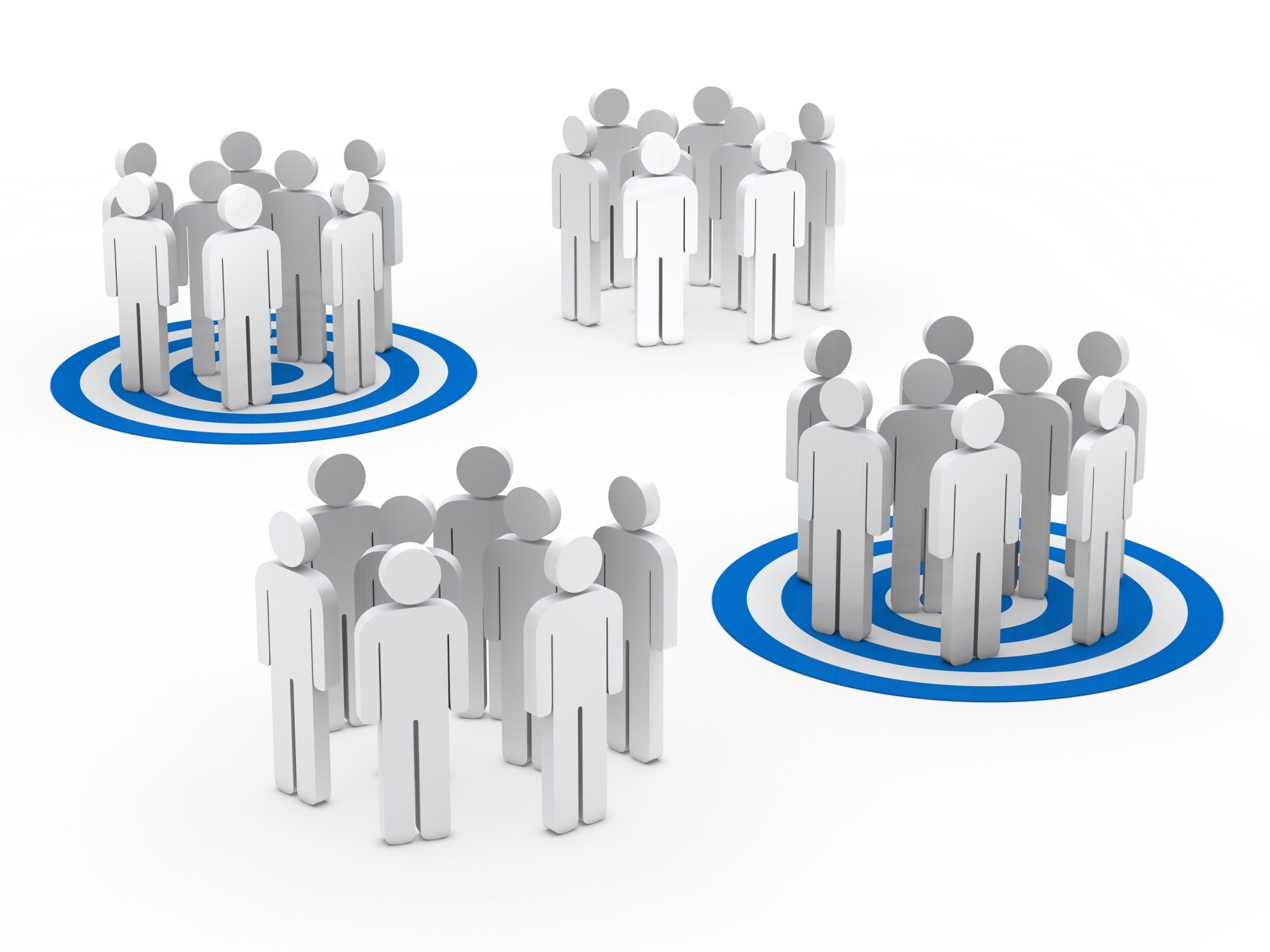
Audience segmentation is the practice of dividing your audience into distinct groups based on specific criteria like demographics, interests, behaviour, and more. This approach allows you to craft targeted, relevant content that speaks directly to each group, improving engagement, conversions, and overall marketing performance. In this article, we’ll explore the ins and outs of audience segmentation, address common questions, and provide actionable insights to optimise your marketing efforts.
Frequently Asked Questions About Audience Segmentation
Q1: What is audience segmentation?
Audience segmentation is the process of dividing a broad audience into smaller, more defined groups based on shared characteristics. These groups can be segmented by factors such as age, gender, location, income, behaviours, interests, or buying habits. By segmenting your audience, you can deliver more personalised marketing messages that are relevant to each group’s needs and preferences, improving overall engagement and conversion rates.
Q2: Why is audience segmentation important for businesses?
Audience segmentation is essential because it allows businesses to avoid the “spray and pray” approach, where a broad, untargeted message is sent out with the hope that it resonates with someone. Instead, segmentation helps you tailor your marketing strategies to specific groups, making your campaigns more effective. According to a study by Mailchimp, segmented email campaigns have a 14.31% higher open rate and 100.95% higher click-through rate than non-segmented campaigns.
Q3: What are the main types of audience segmentation?
There are several key ways to segment your audience, including:
- Demographic segmentation: This is the most common type, which divides audiences based on characteristics like age, gender, income, education, and marital status.
- Geographic segmentation: This segments the audience based on their location, whether it’s by country, region, city, or even neighbourhood.
- Behavioural segmentation: This focuses on users’ behaviour, such as purchasing patterns, website activity, or engagement with your content.
- Psychographic segmentation: This divides audiences based on lifestyle, values, personality, and interests.
- Firmographic segmentation: This is used for B2B businesses and segments based on company size, industry, and revenue.
Q4: How do you segment your audience effectively?
To segment your audience effectively, start by gathering data on your customers. This can come from website analytics, social media insights, CRM systems, or customer surveys. Once you have the data, identify common characteristics or patterns that can form the basis for your segments. It’s crucial to ensure that each segment is large enough to be actionable and that you have a clear strategy for engaging with each one.
Q5: Can small businesses benefit from audience segmentation?
Absolutely! Audience segmentation is just as important for small businesses as it is for larger companies. In fact, it may be even more critical for smaller businesses with limited marketing budgets. By targeting specific groups, small businesses can make more efficient use of their resources and ensure that their marketing efforts reach the people most likely to convert.
The Benefits of Audience Segmentation
- Personalised Messaging
One of the most significant advantages of audience segmentation is the ability to create personalised messaging. By targeting each segment with tailored content, you can address the specific needs, pain points, and interests of your audience, resulting in more meaningful connections with potential customers. Personalisation is increasingly expected by consumers, with 72% of consumers saying they only engage with personalised messaging, according to a study by SmarterHQ. - Improved Engagement and Conversion Rates
Segmented campaigns tend to perform better across the board. When your message aligns with the interests and needs of a particular audience segment, engagement rates increase. This leads to more website visits, higher email open rates, and ultimately more conversions. The targeted nature of segmentation ensures that your marketing efforts resonate with the right people, driving more effective results. - Optimised Marketing Spend
Audience segmentation allows businesses to allocate their marketing budgets more effectively. Rather than wasting money on broad, untargeted campaigns, segmentation lets you focus your resources on the audiences most likely to convert. This approach leads to a higher return on investment (ROI) by ensuring that your marketing spend is being used where it will have the most impact. - Better Customer Retention
Segmentation can also be highly effective for customer retention strategies. By delivering relevant content to your existing customers based on their past behaviour, you can keep them engaged and encourage repeat purchases. For instance, sending personalised offers based on a customer’s previous buying habits or browsing history can significantly increase loyalty and long-term value. - Deeper Customer Insights
Audience segmentation allows you to gain a deeper understanding of your customers by analysing the different segments. This insight can help you refine your products, services, or marketing strategies. By understanding how different segments respond to various messages, you can continually improve your approach to meet the evolving needs of your audience.
How to Implement Audience Segmentation
- Start with Data Collection
The first step in implementing audience segmentation is to collect data about your audience. Use tools like Google Analytics, social media platforms, CRM systems, and customer surveys to gather information on demographics, behaviours, and preferences. The more detailed the data, the better your segmentation will be. - Create Clear Segments
Once you have the data, divide your audience into segments based on the shared characteristics you’ve identified. Ensure that each segment is distinct and actionable. For example, you might create a segment for young professionals interested in tech products and another for retirees looking for financial planning services. - Tailor Your Messaging
After segmenting your audience, tailor your content, ads, and email marketing campaigns to resonate with each specific group. For example, a fashion brand might promote edgy, trendy outfits to younger audiences, while focusing on comfort and timeless styles for an older segment. - Test and Optimise
Audience segmentation is not a set-and-forget strategy. It requires continuous testing and optimisation. Use A/B testing to experiment with different messaging, creative elements, and offers for each segment. Measure the performance of your campaigns and refine your approach based on the results. - Use Automation Tools
To make audience segmentation more efficient, consider using automation tools that can help you manage and implement your segmentation strategy. Tools like HubSpot, Mailchimp, or Salesforce offer segmentation features that allow you to automate the delivery of personalised messages to each segment.
Conclusion
Audience segmentation is a powerful marketing strategy that allows businesses to engage with their audience on a deeper level. By dividing your audience into specific groups and tailoring your content to their unique needs, you can improve engagement, boost conversions, and maximise your marketing efforts. With careful planning, data-driven insights, and a personalised approach, audience segmentation can help you achieve better results and build stronger relationships with your customers.
Find Out How We Can Help…
Enquiry Form
Related Posts