Generating and converting leads is the cornerstone of any successful business, but how can you…
What is a Buyer Persona? Understanding Your Target Audience for Better Marketing Results
In today’s fast-paced digital world, businesses are constantly striving to understand their customers better. But how can you effectively market to an audience you barely know? This is where the concept of a buyer persona comes into play. But what exactly is a buyer persona, and why is it essential for your marketing strategy? In this article, we’ll explore the importance of buyer personas, answer frequently asked questions, and provide actionable insights on how to create and use them to grow your business.
Introduction
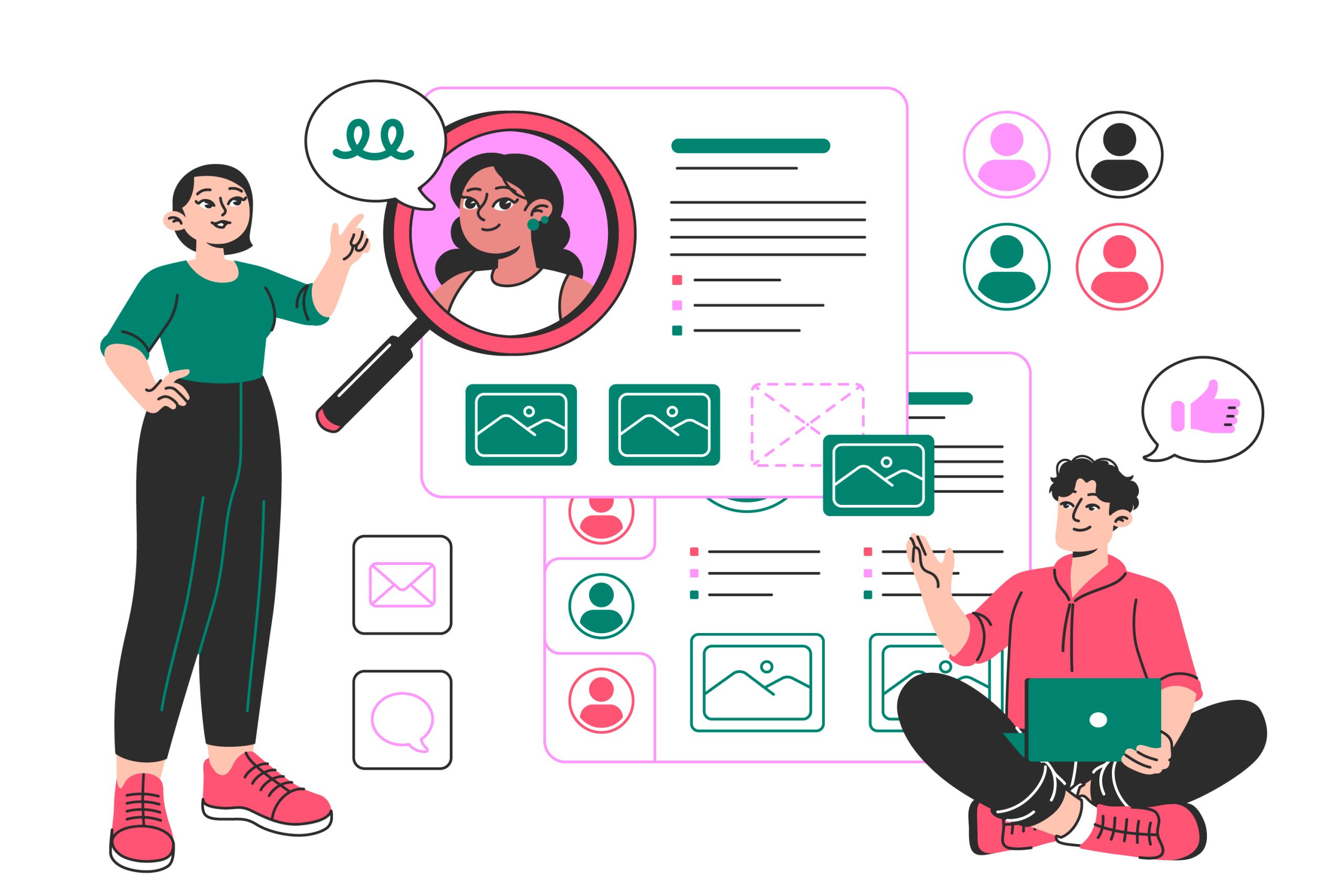
A buyer persona is a semi-fictional representation of your ideal customer based on real data, market research, and insights about your existing customers. These personas include details about customer demographics, behaviours, motivations, and pain points. Creating buyer personas helps businesses personalise their marketing efforts, improve product development, and better target their messaging, which ultimately leads to increased engagement and conversions.
With more than 63% of businesses using buyer personas as part of their marketing strategy, it’s clear that understanding your target audience can provide a significant advantage over the competition. Whether you’re a small business or a large corporation, knowing who your customers are and what they need is key to success.
What is a Buyer Persona? Frequently Asked Questions
1. What Does a Buyer Persona Include?
A buyer persona goes beyond basic demographic information. It offers a detailed profile of your ideal customer, including their:
- Demographics: Age, gender, location, job title, income level, education.
- Behaviours: Buying habits, brand preferences, online behaviours, and social media usage.
- Motivations: What drives their purchasing decisions? Are they seeking convenience, quality, or value for money?
- Challenges and Pain Points: What problems are they facing that your product or service can solve?
- Goals: What do they want to achieve, either personally or professionally?
These elements combined create a comprehensive profile that helps businesses understand who they are marketing to and how they can better address their audience’s needs.
FAQ: Why is it important to know the challenges and pain points of your customer?
Understanding your customer’s challenges allows you to position your product or service as the solution they need. Addressing these pain points in your messaging makes your content more relatable and convincing, increasing the likelihood of conversion.
2. Why Are Buyer Personas Important for Marketing?
Buyer personas are crucial because they ensure that your marketing campaigns resonate with your target audience. Rather than using a one-size-fits-all approach, creating buyer personas helps businesses tailor their content, messaging, and product offerings to meet the specific needs of different customer segments. This leads to:
- Improved Targeting: Personas help businesses identify the right audience, allowing for more focused and effective marketing campaigns.
- Better Engagement: Content tailored to a specific persona is more likely to resonate with them, leading to increased engagement, higher click-through rates, and conversions.
- Enhanced Product Development: By understanding your audience’s needs and challenges, you can create products or services that better solve their problems.
A study by Cintell revealed that companies that exceeded their revenue goals were 2.4 times more likely to have used buyer personas in their marketing strategies.
FAQ: How do buyer personas improve marketing ROI?
Buyer personas allow businesses to focus their marketing efforts on high-value prospects who are more likely to convert. This results in a higher return on investment (ROI), as resources are used efficiently, and campaigns are more effective.
3. How Do You Create a Buyer Persona?
Creating a buyer persona involves gathering data about your existing customers and conducting market research to identify patterns and trends. Here’s how you can get started:
- Collect Data: Use customer surveys, interviews, and data analytics to gather information about your audience’s demographics, buying behaviours, and challenges.
- Segment Your Audience: Identify common characteristics and behaviours among your customers. These segments can be based on factors like age, location, or purchasing habits.
- Develop Persona Profiles: For each segment, create a persona profile that includes a name, description, and specific details about their motivations, goals, and pain points.
- Use Real Data: While personas are semi-fictional, they should be grounded in real data and insights to ensure accuracy.
An example of a buyer persona could be “Marketing Mary”, a 35-year-old marketing manager at a medium-sized company, whose main challenge is finding cost-effective tools to manage her team’s social media efforts efficiently.
FAQ: How many buyer personas should a business have?
The number of buyer personas depends on the diversity of your customer base. Most businesses start with 3-5 personas representing their main customer segments. Too many personas can dilute focus, while too few may not capture all audience needs.
4. How Are Buyer Personas Used in Marketing?
Once you have created your buyer personas, they should be integrated into every aspect of your marketing strategy, from content creation to sales and customer service. Here’s how you can use them:
- Content Marketing: Tailor blog posts, emails, and social media content to address the specific pain points and interests of each persona.
- Email Campaigns: Segment your email list by persona to send targeted messages that are more likely to convert.
- Product Development: Use personas to guide product development and improve existing offerings based on what your audience values.
- Sales Strategy: Equip your sales team with persona insights so they can better understand prospects and close deals faster.
According to HubSpot, using buyer personas can make websites 2-5 times more effective and easier to navigate for users.
FAQ: How can personas improve the effectiveness of a website?
By using buyer personas, businesses can design website layouts, content, and navigation that are intuitive and relevant to their audience. This improves the user experience, leading to higher engagement and conversion rates.
Conclusion
Buyer personas are an essential tool for any business that wants to create targeted, effective marketing strategies. By understanding who your ideal customers are, what motivates them, and what challenges they face, you can deliver tailored messaging that resonates on a deeper level. Whether you’re looking to improve engagement, boost conversions, or enhance product offerings, investing time in creating detailed buyer personas can significantly impact your overall marketing success.
Start building your buyer personas today and watch your marketing campaigns become more precise, more relevant, and ultimately more profitable.
Find Out How We Can Help…
Enquiry Form
Related Posts