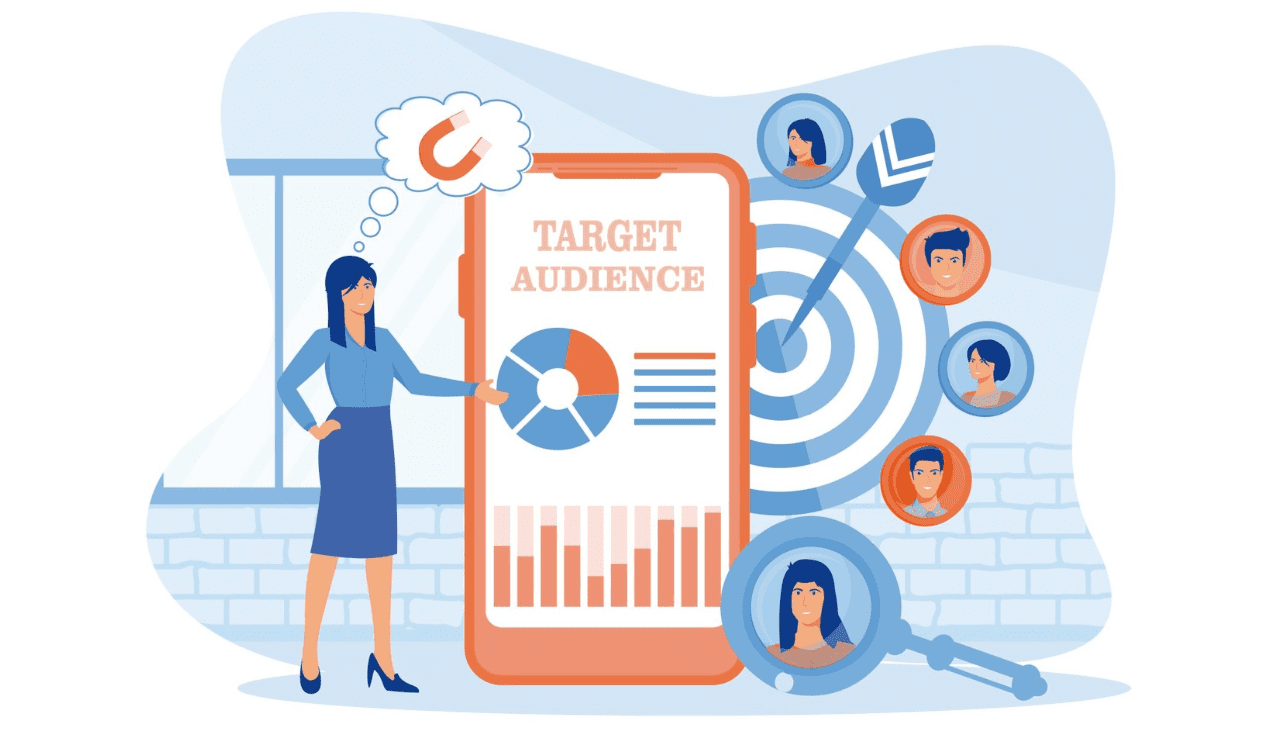
In today’s digital marketing landscape, social media audience targeting is one of the most powerful…

What Is a Customer Persona? The Key to Unlocking Targeted Marketing Success
In today’s competitive market, businesses must go beyond simply identifying their audience. To truly connect with potential customers and tailor your messaging, creating a customer persona is crucial. But what exactly is a customer persona, and how does it impact your marketing strategy?
In this blog, we’ll delve into the definition of customer personas, address frequently asked questions, and highlight why understanding your customer persona can lead to more effective marketing, better customer engagement, and higher conversions.
Introduction
A customer persona, also known as a buyer persona, is a semi-fictional profile representing your ideal customer based on market research, real customer data, and insights. Customer personas help businesses understand who their target audience is, their behaviours, goals, challenges, and buying decisions. By developing detailed customer personas, businesses can tailor their marketing efforts to meet the unique needs of their audience, resulting in better engagement, more personalised content, and ultimately, increased revenue.
According to HubSpot, companies that use personas in their marketing strategy see a 73% increase in conversions. Clearly, understanding who your customers are and how to reach them can provide a significant competitive advantage.
What Is a Customer Persona? Frequently Asked Questions
1. What Information Should a Customer Persona Include?
A well-developed customer persona goes beyond surface-level demographics. It should encompass both qualitative and quantitative data, including:
- Demographics: Age, gender, location, education, and occupation.
- Psychographics: Interests, values, and lifestyle choices.
- Goals: What are the customer’s main objectives? Are they seeking convenience, savings, or quality?
- Challenges: What problems are they facing that your product or service can solve?
- Buying Behaviour: How do they make purchasing decisions? Do they rely on reviews, recommendations, or pricing?
- Preferred Communication Channels: Do they spend most of their time on social media, email, or websites?
FAQ: Why is it important to include both demographics and psychographics in a customer persona?
Demographics provide basic information, but psychographics offer deeper insights into your customer’s behaviours, values, and motivations. Understanding both aspects helps create a more well-rounded persona that reflects not only who your customers are but also why they make decisions.
2. Why Are Customer Personas Important for Marketing?
Creating customer personas helps businesses personalise their marketing strategy to better resonate with their audience. Instead of casting a wide net, customer personas allow companies to:
- Target the right audience: By understanding the specific needs and preferences of your customers, you can focus your marketing efforts on the individuals most likely to engage with your brand.
- Develop tailored content: Personas allow marketers to create content that addresses the unique challenges, goals, and interests of their audience, resulting in higher engagement rates.
- Improve product development: Understanding your customers’ pain points allows businesses to create products or services that better meet their needs.
In a study by Cintell, businesses that exceeded their lead and revenue goals were 2.4 times more likely to have used personas effectively in their marketing strategies.
FAQ: How do customer personas help improve marketing campaigns?
By creating targeted content and messages that resonate with specific personas, businesses can significantly increase engagement, conversions, and ROI. Customer personas make marketing efforts more efficient and effective by ensuring you’re speaking directly to your audience’s needs and desires.
3. How Do You Create a Customer Persona?
Creating a customer persona requires gathering data from both internal sources and customer feedback. Here’s a step-by-step guide to developing a strong persona:
- Research Your Audience: Use tools like Google Analytics, surveys, customer interviews, and social media insights to gather demographic and behavioural data about your audience.
- Identify Common Patterns: Look for trends and similarities in your audience, such as shared challenges or common goals.
- Develop Detailed Profiles: Based on your research, create profiles for your ideal customers. Include specific details such as a persona name, job title, and unique challenges.
- Validate with Real Data: Ensure your persona is backed by actual data from your current customers, rather than relying solely on assumptions.
- Refine and Update Regularly: As your business grows and your audience evolves, so too should your customer personas.
FAQ: How many customer personas should a business create?
It’s best to start with 3-5 personas representing your primary customer segments. Too many personas can dilute your focus, while too few may fail to capture the diversity of your audience.
4. How Are Customer Personas Used in Different Marketing Channels?
Customer personas can be applied across various marketing channels to ensure consistency and relevancy in your messaging. Here’s how they can be used:
- Content Marketing: Personas guide the creation of blog posts, articles, and videos that directly address the pain points and needs of each audience segment.
- Email Campaigns: By segmenting your email list based on personas, you can send personalised messages that resonate with specific customer groups, resulting in higher open and click-through rates.
- Social Media: Knowing where your personas spend their time online allows you to focus your social media efforts on the platforms that matter most to them.
- Paid Advertising: Personas help you create highly targeted ads by identifying specific keywords, behaviours, and interests that align with your customer’s preferences.
FAQ: How can customer personas be applied in email marketing?
Customer personas enable businesses to segment their email lists, creating highly relevant and personalised content. For instance, an email campaign focused on “Budget-Conscious Ben” might promote cost-effective solutions, while an email targeting “Luxury Linda” would emphasise premium products.
5. How Can Customer Personas Drive Business Growth?
By providing a clear understanding of who your target audience is, customer personas allow businesses to create more effective marketing strategies that lead to:
- Increased customer engagement: Personas help you craft personalised content that speaks directly to your audience’s needs, driving higher engagement rates.
- Better customer retention: When you understand your customers, you can anticipate their needs and offer solutions that keep them coming back.
- Improved sales and conversions: Tailored marketing efforts are more likely to convert leads into paying customers. With the right messaging, businesses can nurture leads more effectively through the buyer’s journey.
According to Forrester Research, businesses that create targeted customer personas see a 200% improvement in marketing effectiveness.
FAQ: Can customer personas help with long-term business growth?
Absolutely. Customer personas provide insights into your audience’s long-term needs, helping businesses stay relevant and adapt to changing customer preferences. This builds stronger, more lasting customer relationships that drive sustainable growth.
Conclusion
In the ever-evolving world of marketing, understanding your audience is more critical than ever. Customer personas provide the insight and direction needed to create meaningful, personalised marketing strategies that resonate with your audience. From content marketing to product development, customer personas allow businesses to better connect with their customers, improve engagement, and drive conversions.
By investing time and effort into developing detailed customer personas, businesses can gain a competitive edge, improve their ROI, and build long-lasting customer relationships that fuel growth.
Find Out How We Can Help…
Enquiry Form
Related Posts