In today’s competitive market, businesses must go beyond simply identifying their audience. To truly connect…
Why You Must Have a Target Audience for Your Content: A Guide to Content Marketing Success
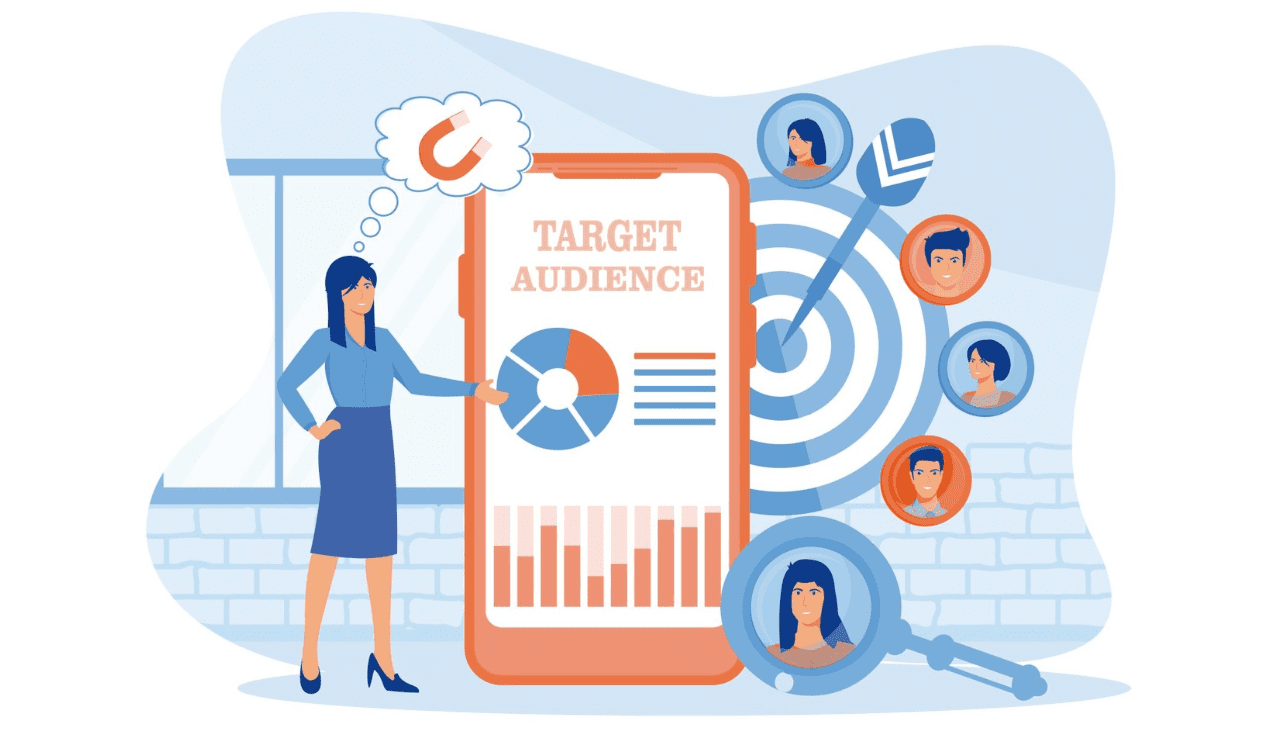
Creating content without a clear target audience is like trying to navigate a city without a map—it’s inefficient, directionless, and unlikely to deliver the results you need. Having a target audience for your content is essential for any business or brand that wants to engage, convert, and build lasting relationships with its customers. But what does it mean to define your target audience, and how can you ensure that your content resonates with the right people?
In this blog, we’ll explore why having a target audience is crucial, address common questions about audience-focused content, and provide actionable insights that can transform your content strategy. Understanding who your audience is and what they want can mean the difference between content that drives results and content that falls flat.
Frequently Asked Questions About Having a Target Audience for Your Content
Q1: What is a target audience, and why is it important?
A target audience is a specific group of people that your content is aimed at, typically defined by characteristics like demographics, interests, behaviours, and needs. Identifying your target audience ensures that your content speaks directly to the right people, leading to higher engagement, better conversions, and increased brand loyalty. Without a clear audience, content can lack focus and relevance, missing the mark entirely.
Q2: How can I determine my target audience?
Determining your target audience involves analysing data on your current customers, market research, and understanding your business goals. Use tools like Google Analytics, social media insights, and customer feedback to gather information about age, location, interests, purchasing behaviour, and pain points. Creating detailed audience personas can help you visualise who you’re speaking to and ensure that your content aligns with their needs and expectations.
Q3: Can I have more than one target audience?
Yes, many businesses serve multiple target audiences, each with different needs and preferences. It’s essential to segment your audience and create tailored content for each group. For example, a fitness brand might have one audience focused on weight loss and another on muscle building. By crafting messages specific to each segment, you can ensure your content is more relevant and impactful.
Q4: How does having a target audience improve content effectiveness?
When you know your target audience, you can create content that speaks directly to their needs, challenges, and desires. This personalised approach not only grabs attention but also builds trust and fosters engagement. Studies show that 74% of customers feel frustrated when content doesn’t align with their interests (Source: HubSpot), making it clear that targeting your audience is key to content marketing success.
Q5: What happens if I don’t have a defined target audience?
Without a defined target audience, your content is likely to be generic, unfocused, and less effective. It may fail to connect with potential customers, resulting in lower engagement, fewer conversions, and wasted resources. Knowing your audience helps you tailor your messaging, making your content more impactful and aligned with your overall marketing goals.
The Benefits of Having a Target Audience for Your Content
- Higher Engagement and Interaction
When your content resonates with your audience, they are more likely to engage with it. Targeted content addresses the specific pain points, questions, and interests of your audience, making them feel understood. Engaged audiences are more likely to comment, share, and spread the word about your content, driving organic growth and increasing your brand’s visibility. - Improved Conversion Rates
By speaking directly to the needs of your audience, you’re more likely to guide them through the buyer’s journey effectively. Content that aligns with their challenges and desires will prompt them to take action, whether that’s signing up for a newsletter, requesting a demo, or making a purchase. A targeted approach ensures you’re addressing the right audience at the right time, leading to higher conversions. - Cost-Effective Marketing
Content marketing without a target audience can be a drain on resources, both time and money. When you know exactly who you’re creating content for, you can optimise your strategy and allocate your resources more effectively. Targeted content allows you to focus your marketing efforts on segments that are most likely to convert, rather than wasting resources on a broad, uninterested audience. - Stronger Customer Relationships
Personalised content builds trust and loyalty. When your audience feels that your content speaks directly to them, they are more likely to engage with your brand over time. This trust fosters long-term customer relationships and encourages repeat business. 73% of consumers are more likely to buy from brands that use personalisation, demonstrating how impactful audience-focused content can be (Source: Epsilon). - Optimised SEO Performance
When you focus on creating content that’s relevant to a specific audience, your SEO efforts become more effective. Audience-focused content naturally aligns with what your target audience is searching for, leading to better search engine rankings. By using keywords and phrases that resonate with your audience’s needs, you’ll improve your visibility and drive more targeted traffic to your website.
How to Define and Reach Your Target Audience
- Create Audience Personas
The first step in defining your target audience is creating audience personas. These are fictional representations of your ideal customers, based on real data and research. Each persona should include details like demographics, job roles, goals, challenges, and preferences. Having clear personas will guide your content strategy, ensuring your messaging aligns with the needs of each group. - Use Analytics to Understand Audience Behaviour
Use tools like Google Analytics, Facebook Insights, and CRM systems to gather data on your audience’s behaviour. This will help you understand what type of content resonates most with your audience, when they are most active, and how they interact with your brand. Analysing these patterns allows you to optimise your content strategy for better engagement and conversion rates. - Segment Your Audience for Personalised Content
If your business has multiple target audiences, it’s important to segment them and tailor your content accordingly. Use email marketing, social media ads, or personalised website experiences to ensure that each segment receives content that’s relevant to their needs. Segmented email campaigns, for example, have higher open and click-through rates than non-segmented campaigns (Source: Mailchimp). - Use Social Listening
Social listening involves monitoring conversations and trends around your brand and industry. By paying attention to what your audience is talking about, their concerns, and their questions, you can create timely and relevant content that resonates with their current interests. Social listening helps you stay connected with your audience and address their evolving needs. - Test and Optimise Regularly
Effective audience targeting isn’t a set-and-forget strategy. Continually test and optimise your content based on audience feedback and performance metrics. Use A/B testing to experiment with different headlines, formats, and calls-to-action, and adjust your content to improve its impact. Regular optimisation ensures that your content continues to resonate with your target audience.
Conclusion
Having a target audience for your content is essential for any business that wants to engage, convert, and build meaningful relationships with its customers. By understanding who your audience is, what they need, and how to speak directly to their interests, you can create content that resonates and drives results. Whether you’re just starting out or refining your strategy, defining and reaching your target audience will ensure your content marketing efforts are focused, effective, and aligned with your business goals.
Find Out How We Can Help…
Enquiry Form
Related Posts