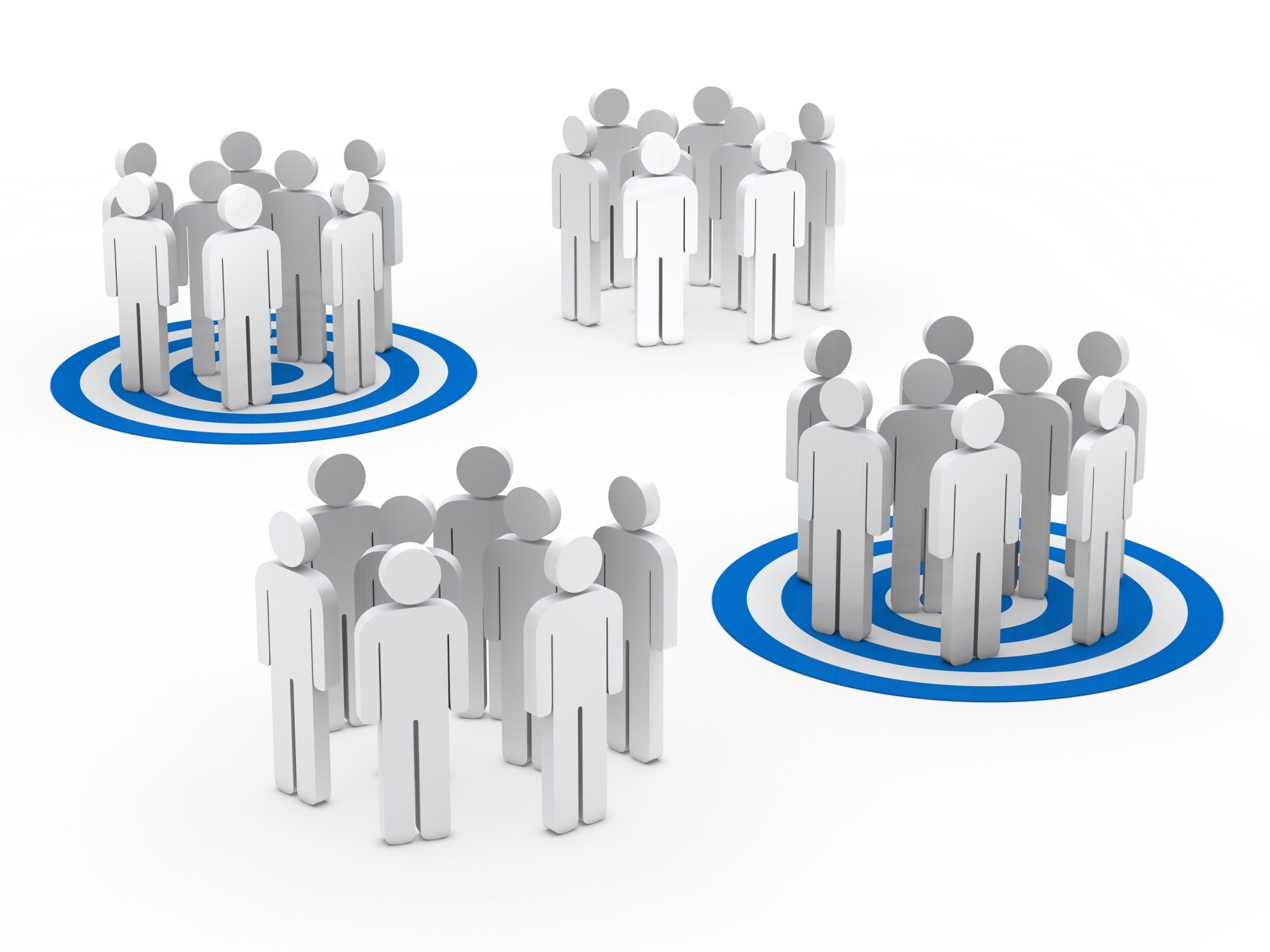
In today’s highly competitive digital world, businesses can no longer rely on generic marketing approaches…

Can You Have More Than One Target Audience? A Complete Guide to Maximising Your Marketing Reach
In the fast-paced world of marketing, businesses often wonder: Can you have more than one target audience? The short answer is yes. As companies grow, diversify their offerings, or expand into new markets, it becomes increasingly important to tailor messaging to multiple groups of people. Understanding and catering to multiple target audiences can significantly enhance your brand’s reach, engagement, and overall success.
In this blog, we will explore how businesses can effectively manage more than one target audience, answer frequently asked questions, and provide actionable insights for creating tailored marketing strategies that resonate with each segment. By the end, you’ll understand how to balance the needs of multiple audiences while maximising impact and ensuring long-term growth.
Frequently Asked Questions About Having More Than One Target Audience
Q1: Can a business have more than one target audience?
Yes, a business can absolutely have more than one target audience. Many companies offer products or services that appeal to different demographics, industries, or interest groups. For example, a fitness brand might target both professional athletes and casual gym-goers, while a software company could cater to small businesses and large corporations. It’s important to identify these audiences and create tailored marketing messages that speak to their unique needs.
Q2: How do I know if I need to target more than one audience?
If your products or services solve different problems for distinct groups of people, or if your customer base spans various demographics, then you likely have more than one target audience. Additionally, expanding into new markets or launching new products often necessitates targeting different audience segments. If you notice significant variations in your customers’ needs, behaviours, or preferences, it’s time to consider developing multiple audience personas.
Q3: How can I define multiple target audiences?
Defining multiple target audiences starts with thorough market research. Use customer data, surveys, and analytics to identify key segments within your audience. Look at factors like age, gender, location, occupation, income, interests, and behaviours to build distinct customer personas. Once you have a clear understanding of each group, you can create tailored marketing strategies to engage each audience effectively.
Q4: Will targeting multiple audiences dilute my brand’s message?
Not if done correctly. The key to targeting multiple audiences without diluting your brand is maintaining a consistent brand identity while customising messaging for each group. Your core values and overall brand message should remain the same, but the way you communicate with each audience can be adjusted to resonate with their specific needs. For example, you may use more formal language when targeting corporate clients, while adopting a more casual tone when addressing younger consumers.
Q5: How can I effectively manage multiple target audiences in my marketing campaigns?
Managing multiple target audiences requires careful planning and segmentation. Use data to segment your audiences and personalise your messaging through email marketing, social media campaigns, and targeted ads. Additionally, consider creating dedicated landing pages or website sections for each audience. This allows you to cater to the unique preferences of each group without overwhelming them with irrelevant information.
The Benefits of Targeting More Than One Audience
- Expanded Market Reach
By targeting multiple audiences, you can expand your market reach and tap into new customer segments. This allows your business to diversify and potentially generate more revenue by offering products or services to a broader range of people. For example, a travel agency can target both luxury travellers and budget-conscious backpackers by offering different packages that appeal to each group. - Increased Revenue Potential
When you tailor your marketing strategies to specific audiences, you’re more likely to attract the right customers and increase conversions. According to HubSpot, companies that personalise their marketing see a 19% increase in sales. By addressing the distinct needs of each audience, you’ll create a more compelling value proposition, leading to higher conversion rates and increased revenue. - Enhanced Customer Loyalty
Catering to more than one audience allows you to create deeper connections with different customer groups. Personalising your messaging and offerings helps build trust and loyalty, as customers feel understood and valued. When people feel that your business truly caters to their needs, they’re more likely to become repeat buyers and advocates for your brand. - Better Adaptation to Market Changes
Targeting multiple audiences makes your business more resilient to market fluctuations. For example, if demand decreases in one segment, you can rely on other audiences to maintain revenue. This diversification ensures that you’re not overly dependent on one audience and gives you the flexibility to pivot as market trends change. - Improved Product Development
By understanding the needs of different audiences, you can gather valuable insights that inform product development. This helps you create offerings that cater to a broader range of customers while refining your products or services based on feedback from each group. Ultimately, targeting multiple audiences helps you build a more versatile and customer-centric brand.
How to Manage Multiple Target Audiences
- Create Distinct Audience Personas
The first step in managing multiple target audiences is to create detailed personas for each group. Audience personas are fictional representations of your ideal customers based on data, research, and insights. Include details such as age, occupation, pain points, goals, and buying behaviour. Each persona should reflect a different segment of your audience so that you can tailor your marketing strategies accordingly. - Tailor Your Messaging for Each Segment
Once you’ve defined your personas, it’s time to tailor your messaging for each segment. While your core brand message should remain consistent, adjust the tone, language, and emphasis to resonate with each group. For example, a tech company targeting both small businesses and large enterprises can highlight affordability and ease of use for small business owners, while emphasising scalability and performance for corporate clients. - Segment Your Marketing Channels
Effective audience segmentation requires using the right channels to reach each group. Use email marketing, social media, and targeted ads to deliver customised content to each segment. For example, you could run Facebook ads tailored to a younger audience while using LinkedIn to reach professionals. Personalised content ensures that your messaging resonates with the right people at the right time. - Create Multiple Landing Pages
For businesses with multiple audiences, creating dedicated landing pages for each segment is an effective way to tailor your website experience. Each landing page should be optimised for a specific audience, with relevant content, imagery, and calls to action. This ensures that when potential customers visit your site, they’re presented with information that aligns with their needs and encourages them to take the next step. - Test and Optimise Your Campaigns
Marketing to multiple audiences requires ongoing testing and optimisation. Use A/B testing to evaluate the performance of your campaigns across different segments and make data-driven adjustments to improve results. Monitor key metrics like click-through rates, conversion rates, and engagement to see which strategies resonate best with each audience.
Conclusion
Targeting more than one audience isn’t just possible—it’s often necessary for businesses looking to maximise their market reach and revenue potential. By segmenting your audiences, tailoring your messaging, and creating personalised experiences, you can engage multiple groups effectively without diluting your brand. With careful planning, data-driven insights, and ongoing optimisation, targeting multiple audiences can help your business grow, adapt, and thrive in a competitive market.
Find Out How We Can Help…
Enquiry Form
Related Posts