In today’s digital landscape, building a website is about more than just aesthetics—it’s about creating…

What is Audience Targeting? The Key to Maximising Your Marketing Strategy
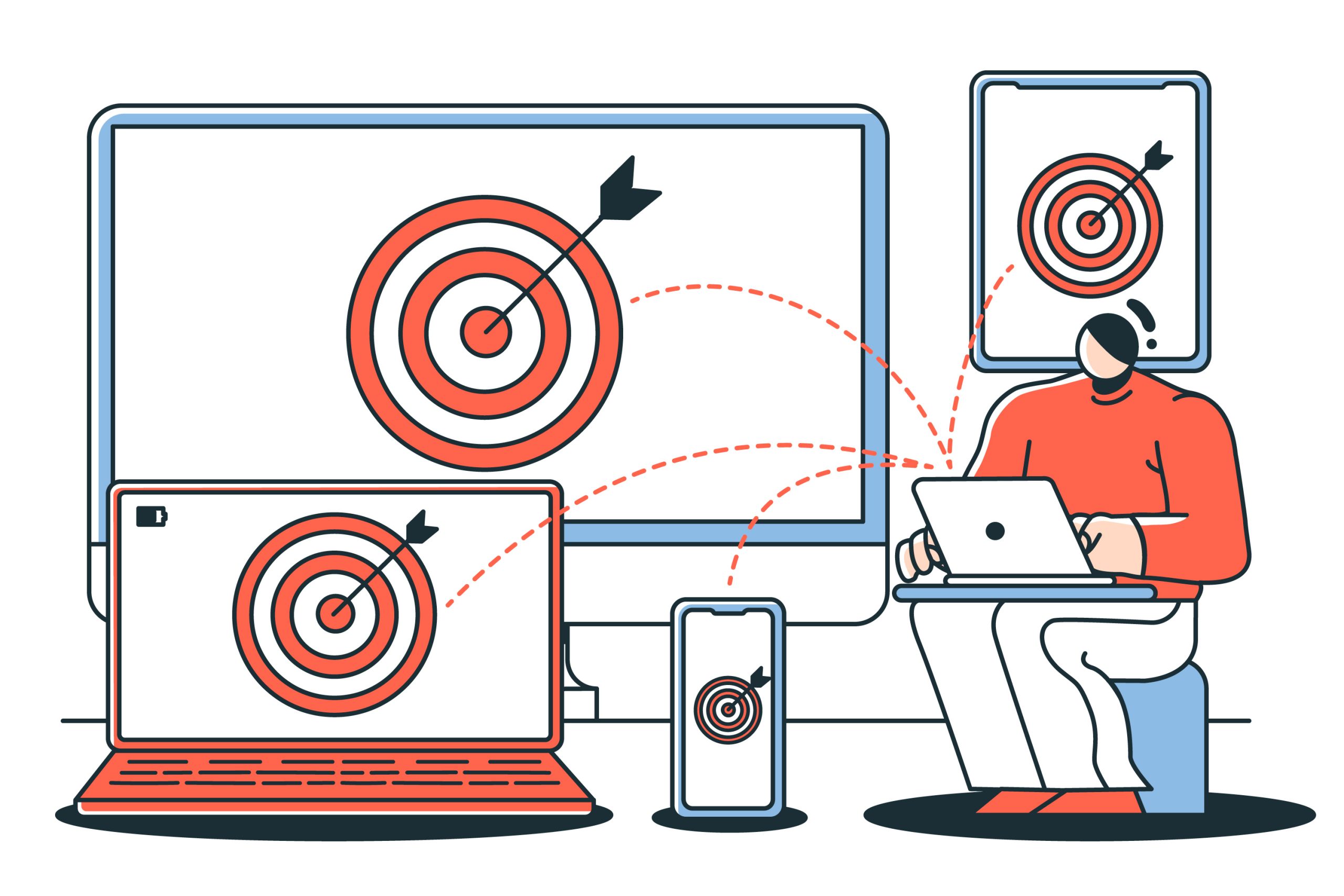
In the world of digital marketing, audience targeting is one of the most powerful strategies businesses can use to optimise their campaigns. But what exactly is audience targeting, and why is it so essential for your business’s success? Simply put, audience targeting allows brands to deliver personalised and relevant messages to specific groups of consumers who are most likely to engage with their products or services. By understanding and segmenting your audience effectively, you can increase engagement, improve conversions, and maximise your return on investment (ROI).
In this article, we’ll break down what audience targeting is, answer frequently asked questions, and provide actionable tips to help you make the most of this critical marketing technique.
Frequently Asked Questions About Audience Targeting
Q1: What is audience targeting in digital marketing?
Audience targeting is the process of identifying and segmenting groups of people who are most likely to engage with your products or services. By using data such as demographics, interests, behaviours, and location, businesses can create tailored marketing messages that resonate with their audience. This ensures that your content, ads, or promotions reach the right people at the right time, leading to higher engagement and conversions.
Q2: Why is audience targeting important?
Effective audience targeting is crucial because it allows you to focus your marketing efforts on the people most likely to convert. Instead of spending resources on broad, untargeted campaigns, audience targeting enables you to concentrate on segments that have shown interest or have a need for your product or service. This personalised approach not only boosts engagement but also increases your marketing ROI, as you’re more likely to see higher returns from a well-targeted audience.
Q3: How do you define your target audience?
To define your target audience, you need to gather data on your current customers and potential leads. Start by considering factors such as age, gender, income, location, interests, and buying behaviours. Tools like Google Analytics, social media insights, and customer surveys can help you build a clear profile of your ideal audience. The more precise you are in defining your target audience, the more effective your audience targeting will be.
Q4: What types of audience targeting exist?
There are several types of audience targeting, including:
- Demographic targeting: Targeting based on age, gender, income, and other personal characteristics.
- Geographic targeting: Focusing on consumers in specific locations, such as cities, regions, or countries.
- Behavioural targeting: Targeting users based on their online behaviour, such as website visits, clicks, or purchase history.
- Interest-based targeting: Engaging users based on their interests, hobbies, or passions.
- Lookalike targeting: Finding new potential customers who have similar characteristics to your existing customers.
Q5: Can audience targeting work for small businesses?
Absolutely! In fact, audience targeting is often more beneficial for small businesses with limited marketing budgets. By honing in on the most relevant audience segments, small businesses can ensure that their marketing spend is used efficiently. This strategy allows them to compete with larger companies by reaching the right customers without wasting resources on broad, ineffective campaigns.
The Benefits of Audience Targeting
- Increased Engagement
By tailoring your content or advertisements to specific audience segments, you can create messages that resonate on a personal level. This approach leads to higher engagement rates, as people are more likely to respond to content that speaks directly to their interests, needs, or pain points. - Higher Conversion Rates
Audience targeting helps increase conversion rates by reaching users who are more likely to purchase your product or service. For example, if you’re a business selling eco-friendly products, targeting consumers who are already interested in sustainability will likely result in higher conversions than targeting a general audience. - Optimised Marketing Budget
One of the greatest advantages of audience targeting is the ability to optimise your marketing budget. Instead of spending money on a broad audience, you can focus your resources on high-potential leads. This reduces wasted ad spend and improves your ROI by targeting individuals who are more likely to convert. - Personalised User Experience
Consumers today expect personalised experiences from the brands they interact with. Audience targeting allows you to deliver tailored content, emails, and ads that align with individual preferences and behaviours. This personalised approach not only improves the user experience but also fosters brand loyalty. - Better Insights and Data-Driven Decisions
Through audience targeting, businesses can gather valuable insights about their customers’ preferences and behaviours. This data can be used to refine future campaigns, develop new products, or enhance customer service, leading to more informed, data-driven decision-making.
Strategies for Effective Audience Targeting
- Segment Your Audience Using Data
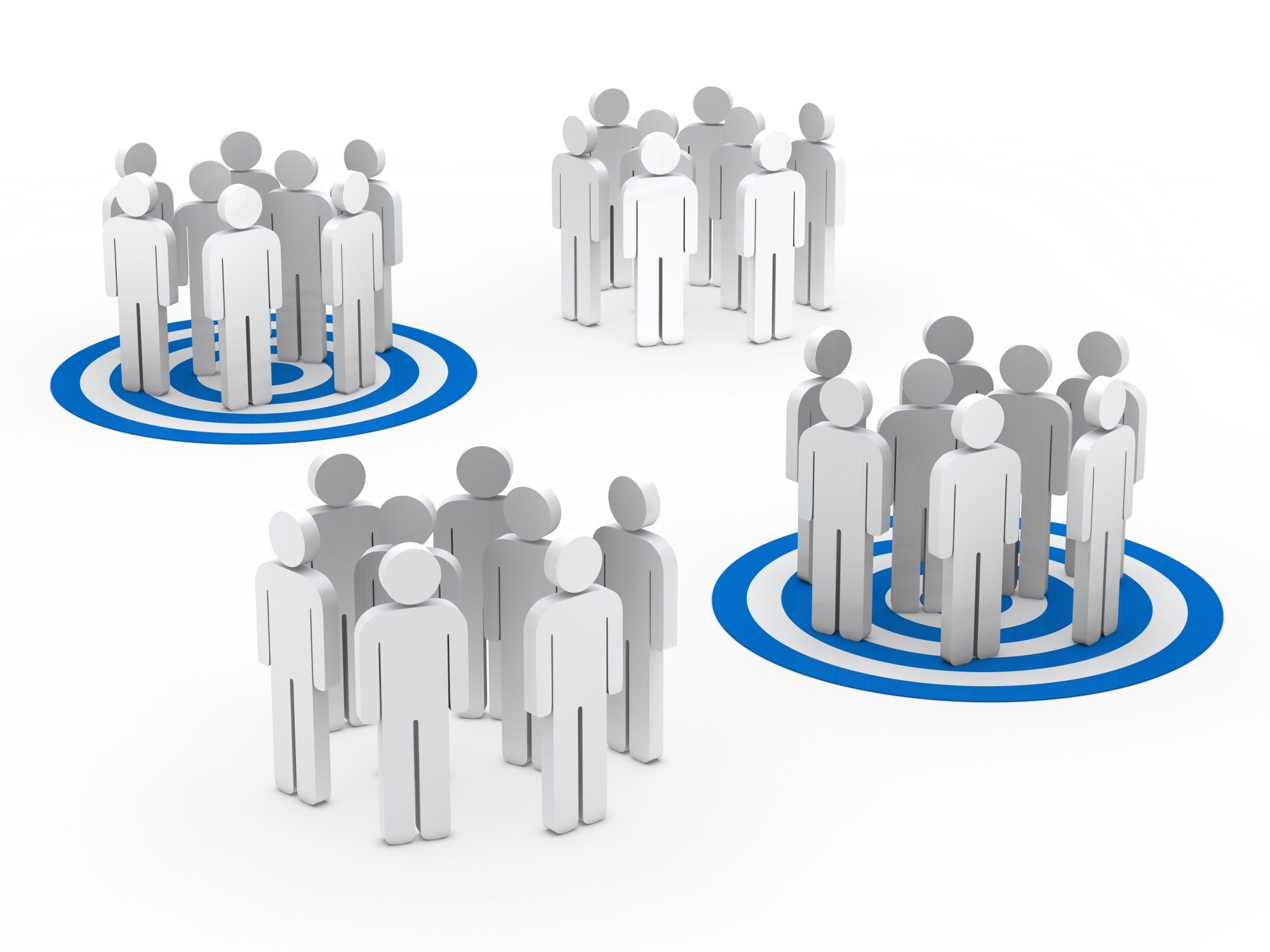
Data is the foundation of effective audience targeting. Use tools like Google Analytics, Facebook Audience Insights, and CRM systems to gather data on your audience’s demographics, interests, and behaviours. Segment your audience into smaller, more specific groups based on this data. For example, you could create segments for first-time buyers, loyal customers, or those who have abandoned their shopping carts. By segmenting your audience, you can craft highly personalised messages that speak directly to each group’s needs. - Use Retargeting to Re-engage Audiences
Retargeting is a powerful form of audience targeting that focuses on users who have previously interacted with your brand but haven’t converted. By serving ads to users who have visited your website or engaged with your content, you can remind them of your product or service and encourage them to complete a purchase. Retargeting helps keep your brand top of mind and increases the likelihood of conversions. - Implement Lookalike Audiences
Lookalike audiences allow you to reach new customers who share similar characteristics with your existing customers. Platforms like Facebook and Google allow you to create lookalike audiences based on your current customer data. This strategy helps you expand your reach while ensuring that you’re targeting users who are likely to be interested in your offerings. - Test and Optimise Your Targeting Strategies
Audience targeting is not a one-size-fits-all solution. To achieve the best results, you need to continuously test and optimise your targeting strategies. Experiment with different audience segments, ad creatives, and messaging to see what resonates most with your target audience. Use A/B testing to measure performance and make data-driven adjustments to improve your campaign effectiveness. - Leverage Social Media Targeting Tools
Social media platforms like Facebook, Instagram, LinkedIn, and Twitter offer advanced audience targeting options. These tools allow you to target users based on their interests, behaviours, and demographics. Take advantage of these platforms to reach highly specific audience segments and create personalised social media campaigns that drive engagement and conversions.
Conclusion
Audience targeting is a game-changer for businesses looking to maximise their marketing efforts. By focusing your campaigns on the right audience segments, you can increase engagement, improve conversion rates, and make more efficient use of your marketing budget. From using data to create personalised experiences to leveraging retargeting and lookalike audiences, these strategies will help you build a targeted marketing approach that delivers results.
Find Out How We Can Help…
Enquiry Form
Related Posts